Reading List
Progressively overload your brain

McDonald’s is great every now and then, but to remain in good health, it can’t be your whole diet. Similarly, Airport books, so to speak, are McDonald’s for the brain.
Reading is a skill, and skills only grow when you push past what’s comfortable. A way to get uncomfortable is reading texts that challenge you. You must progressively overload your brain. You’ve likely read Thinking Fast & Slow or Outliers or GRIT, but to remain in good health, that can’t be your complete reading diet. Challenge yourself to grow and nourish your brain.
Here’s my reading list ordered by how influential each has been to my worldview of sport/training and how accessible the reading is. Books are listed first, followed by scholarly papers at the end.
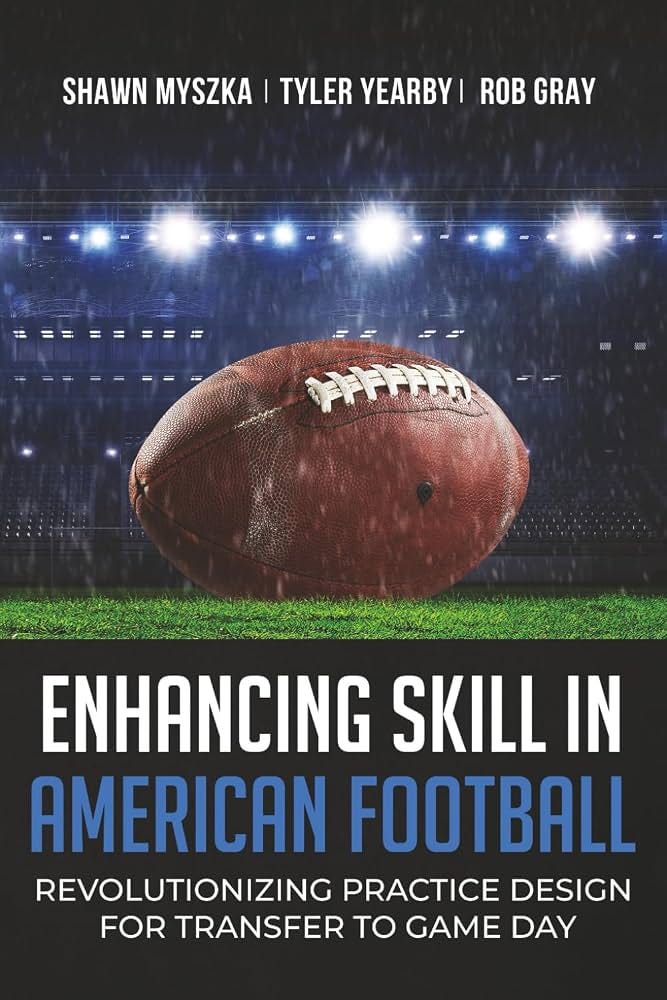
If you’re coach interested in modern skill acquisition and motor learning, this is all you need. It covers the issues with the "traditional" approach to learning, the theory, and its application. You will have to learn a few vocabulary words along the way, but it's completely changed the way I see and coach the game. Even if you can't read so good.. spend the $30 for over 30 drills and use it as a cookbook of drills you can pull from. (Which Shawn advises against, so definitely do it.)
Quality design shows up everywhere. Spoiler: Norman's whole point is practice design, individual work, & periodization can all be genuinely pleasurable experiences! Great design is transferable and directly aligned with pleasurable experience. Drew Carlsen has great thoughts on the Norman crossover if you want to dive deeper.
What are complex systems, and how do they affect training? This book is all about complex systems, underpinning Ecological Dynamics/CLA, and their effects on training. I already did a whole post on my main takeaways from this book. This my favorite read on the list. Particularly the story of how Yellowstone's rivers changed course in about 40 years, due to us wiping out the wolf population after they were eating livestock.
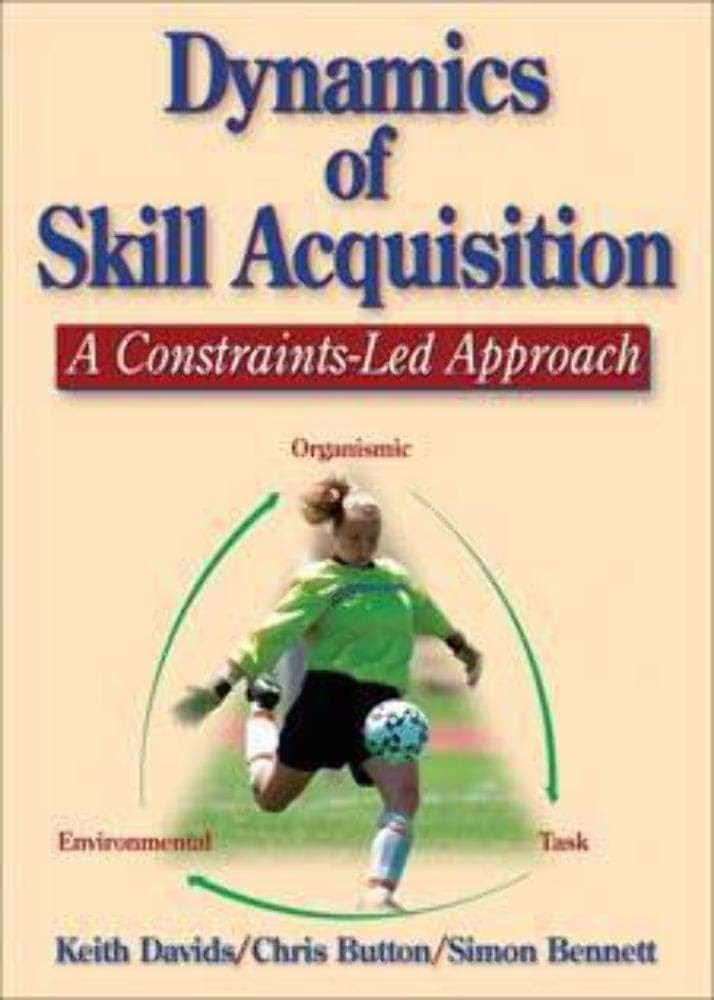
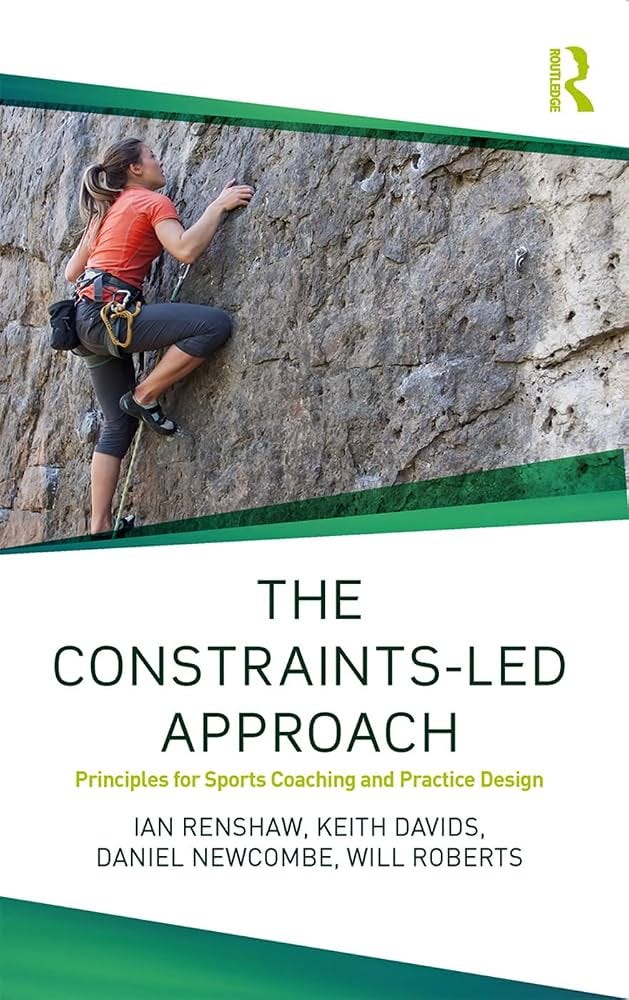
The next two recommendations by Davids and Renshaw are my second and third favorite on the list. Easy reads, at around 250 pages each, they provided me foundational understanding of the theory. Dynamics of Skill Acquisition is the older text, offering a solid intro to the motor learning theories of the past, what EcoD/CLA actually is, and their core principles. The case studies at the end of The Constraints-Led Approach are rich. I encourage you to check it out. You’ll see how abstract words, like, “affordances,” look in action.
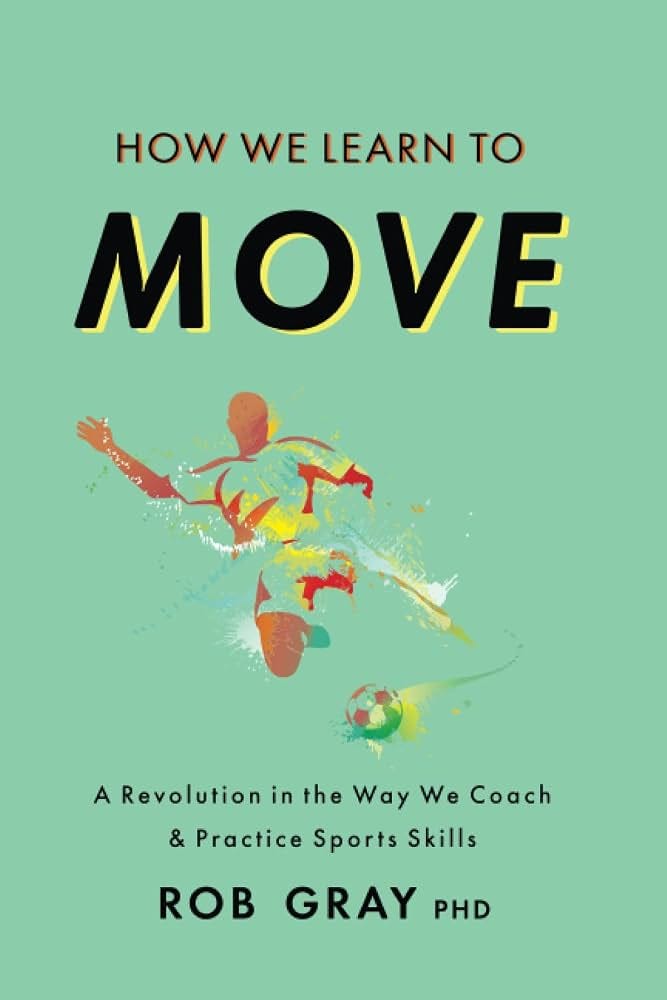
If you’re looking for one of the best texts out there on building general motor learning ability, here it is. Rob Grey lays everything out in one read, with examples and application. If you want to save time, skip the two textbooks above and start here.
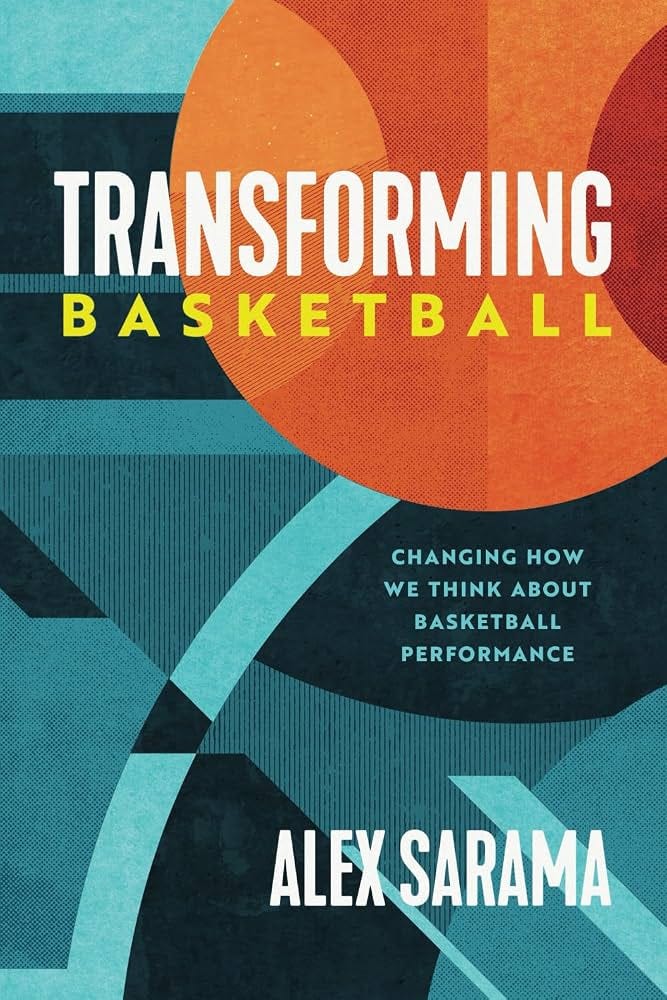
As we know, football and basketball are both invasion games: you attack the opponent's territory to score while defending your own. That shared structure means many of Sarama's basketball principles, are already tested at the highest levels and transferable across sport. I've only given it a proper skim, but I've pulled a ton of drills and concepts from their social media pages.
“The affordances of the environment are what it offers the animal, what it provides or furnishes, either for good or ill.”
“The richest and most elaborate affordances of the environment are provided by other animals and, for us, other people. When touched they touch back, when struck they strike back; in short, they interact with the observer and with one another.”
"Perceiving gets deeper and finer and longer and richer and fuller as the observer explores the environment."
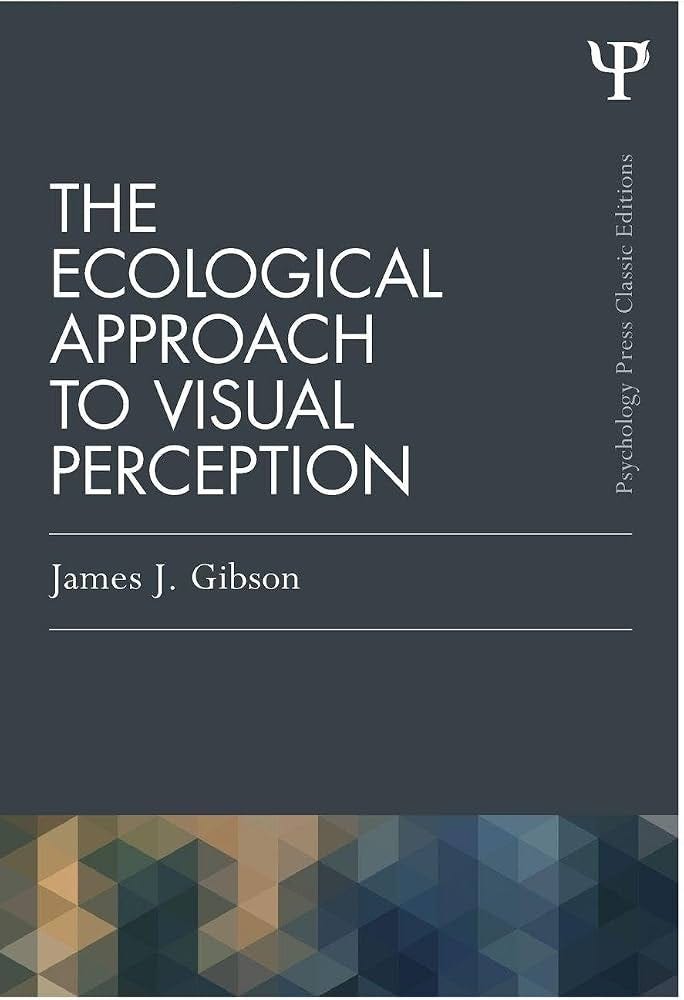
This is Gibson's seminal work on perception. At first glance, there isn’t much direct transfer to coaching. However, what makes it worthwhile is his introduction of affordances. He spends the first three chapters basically going, “I can’t prove it yet but trust me on this”. He also gives us the analogy of “little man in the brain”, one of my favorite critiques of the information processing theory of motor learning. Great writer, highly recommend.
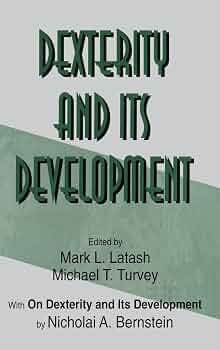
No list is complete without Nikolai Bernstein, the Soviet neurophysiologist who gave us the degrees-of-freedom problem. His manuscript sat buried for decades because he rejected the official Pavlovian line, that movement is just chains of conditioned reflexes. His thought that a limb has too many ways to move for the brain to dictate each muscle movement, one-to-one, left him saying "it can't be this simple…" This rhetoric got him blackballed. Beast of a text, I've only made it through Essay 1 lol.
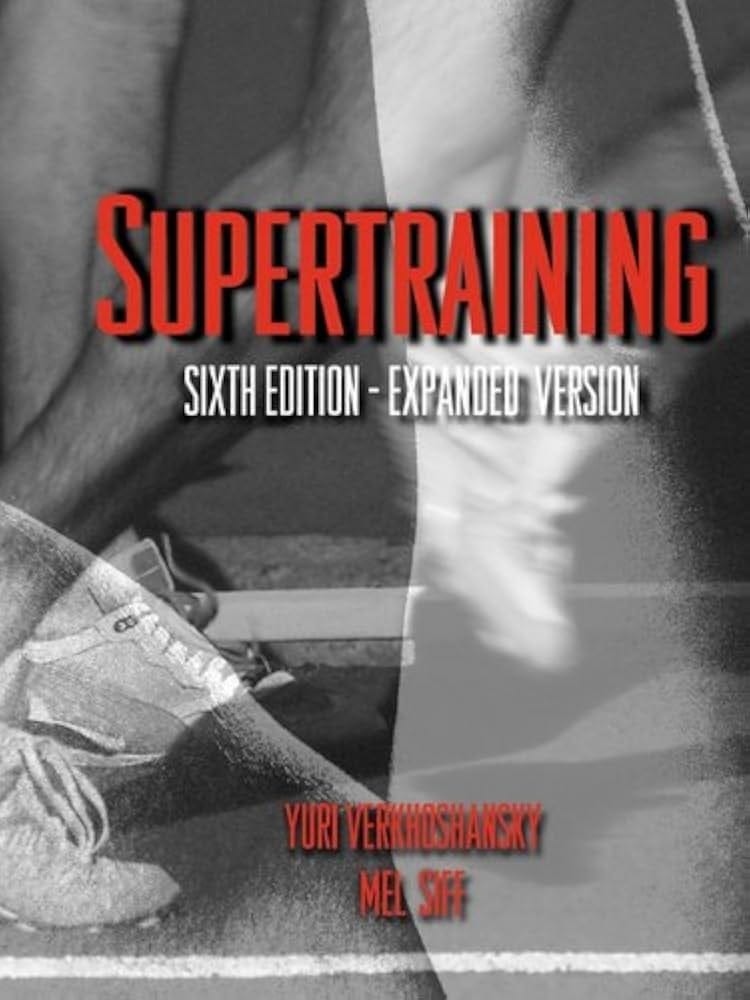
Way too technical for anything short of high-level professional strength development. Built on the Russian school of sports science, the first chapter alone, will have you questioning standard sport development.
“All too often, the solution to most performance problems in such sports seems to be a philosophy of “the greater the strength and the greater the muscle hypertrophy, the better”, despite the fact that one constantly witnesses exceptional performances being achieved in these sports by lighter and less strong individuals.”
Supertraining, pg 20
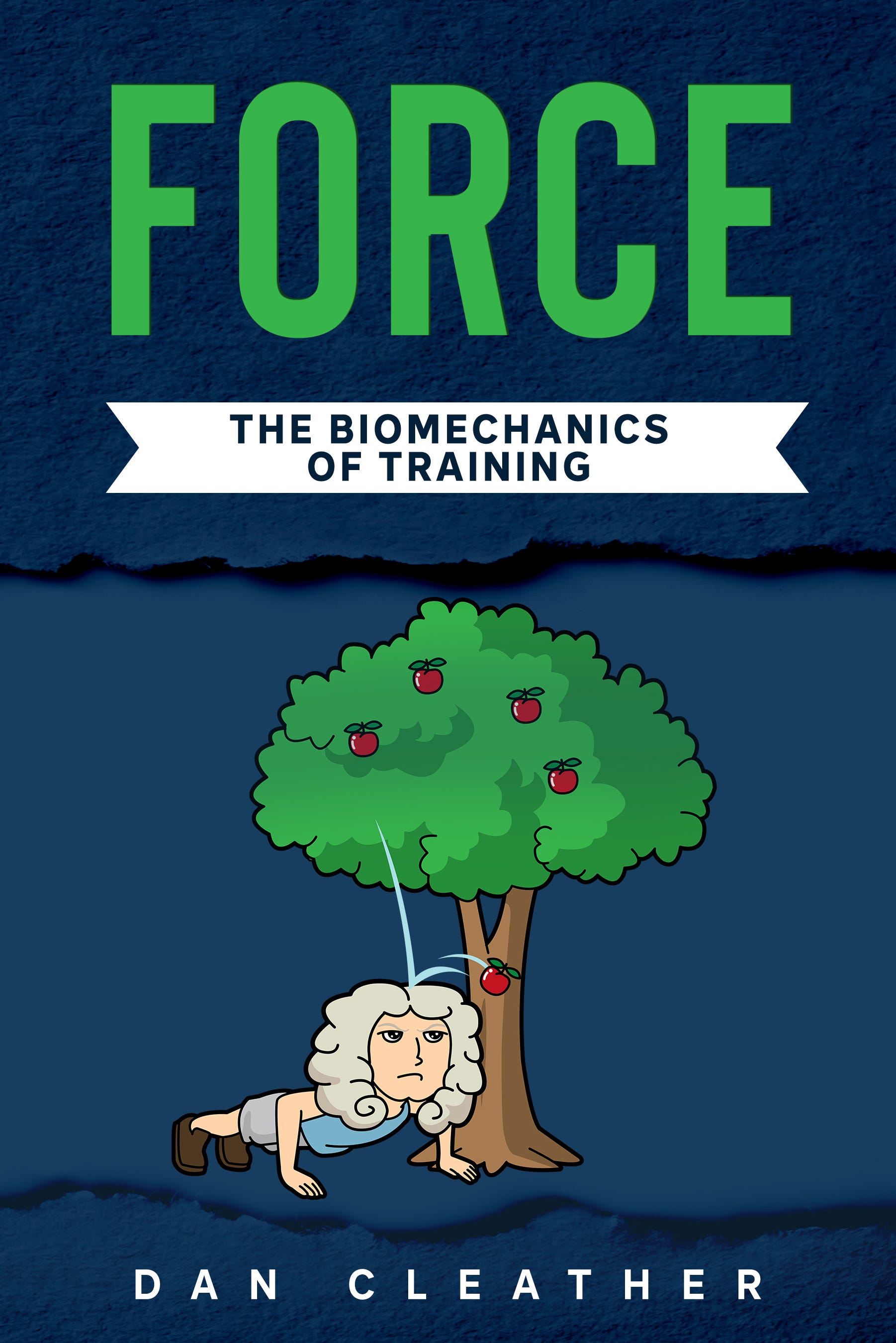
Takes basic Newtonian physics and distills it into training principles you can actually use.
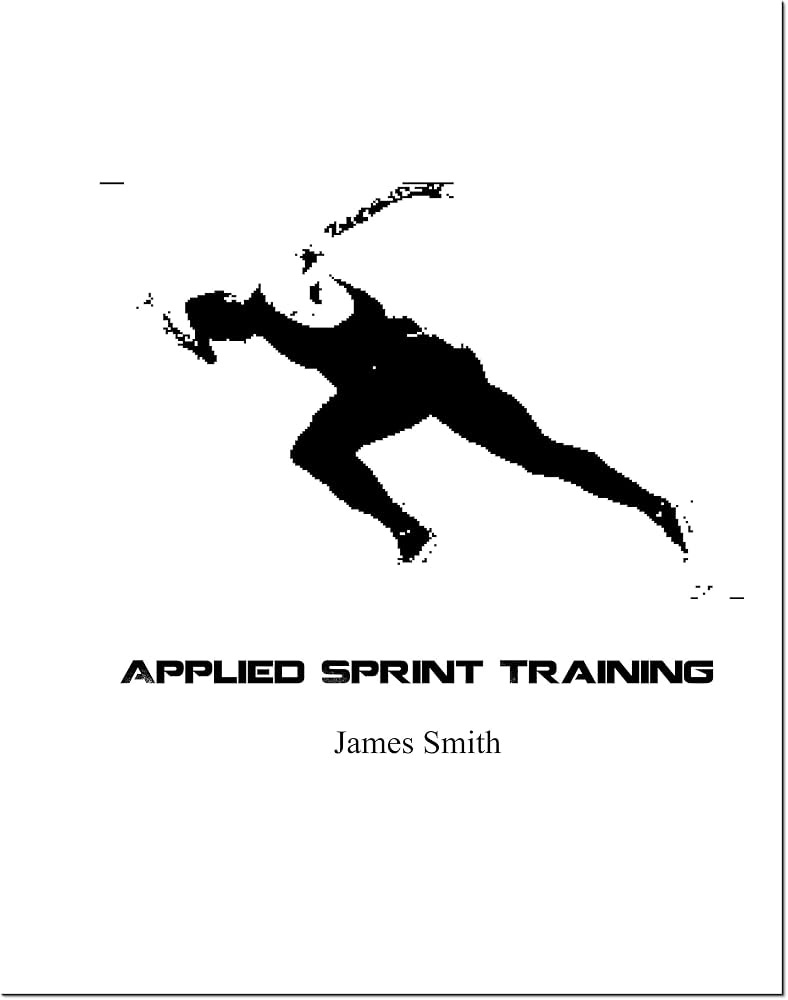
This is my most recent read. James Smith condenses the Charlie Francis System into something you can apply to any sport. His logical, no-nonsense style will have you flying through it.
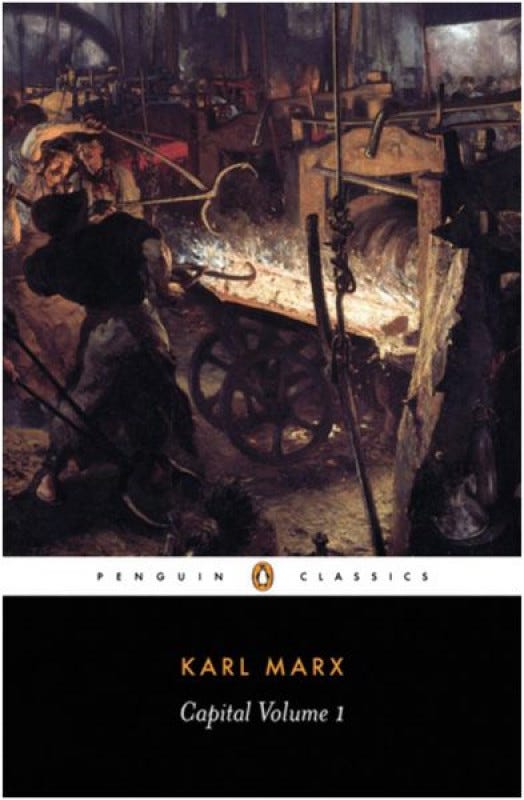
So far, this is the most influential text in my life. It taught me I could read anything. The concepts are so abstract that working through them makes you a critical reader and thinker. Marx was the first to apply complex systems to capital and reject the notion that exchanging goods is as simple as a person-to-person swap. One transaction takes a whole network of circuits and actors to complete. If you're worried about the political implications: outside of advocating for labor rights and like 100 pages on child labor in Vol I, it's just a guy destroying long-held economists' beliefs by conceding every argument on their terms and still showing their logic doesn't hold up.
Papers from Shawn Myszka & Tyler Yearby at https://emergentmvmt.com
Applying an ecological approach to practice design in American football: some case examples on best practice
https://doi.org/10.1080/21640629.2022.2057698
Being Water: how key ideas from the practice of Bruce Lee align with contemporary theorizing in movement skill acquisition
https://doi.org/10.1080/13573322.2022.2160701
(Re)conceptualizing movement behavior in sport as a problem-solving activity
https://doi.org/10.3389/fspor.2023.1130131
The value of opposed and unopposed practice: An ecological dynamics rationale for skill development